
Where Do You Inject Peptides? Injection Sites, Safety and Proper Use
Peptides have become a popular topic in medical research, wellness, and fitness discussions. Many people search “Where do you inject peptides?” because they want to understand common injection areas, safety factors, and how peptide injections work.
However, the correct injection site depends on the specific peptide, its purpose, and professional guidance. Instead of choosing an injection location yourself, you should understand the basics and follow instructions from a qualified healthcare professional.
Explore our complete range of peptides designed for research, skincare, and wellness applications.
What Are Peptide Injections?
Peptide injections deliver specific peptide compounds into the body through an injection method. Peptides are short chains of amino acids that play different roles in biological processes.
Different peptides have different uses. Some peptide-based medicines are used under medical supervision, while others are intended only for research purposes.
Before using any injectable peptide, you should understand:
- The type of peptide
- The reason for use
- Proper administration methods
- Safety requirements
Because every peptide works differently, injection instructions can vary from one product to another.
Where Do You Inject Peptides?
The injection site depends on the peptide product and the method recommended by a healthcare professional.
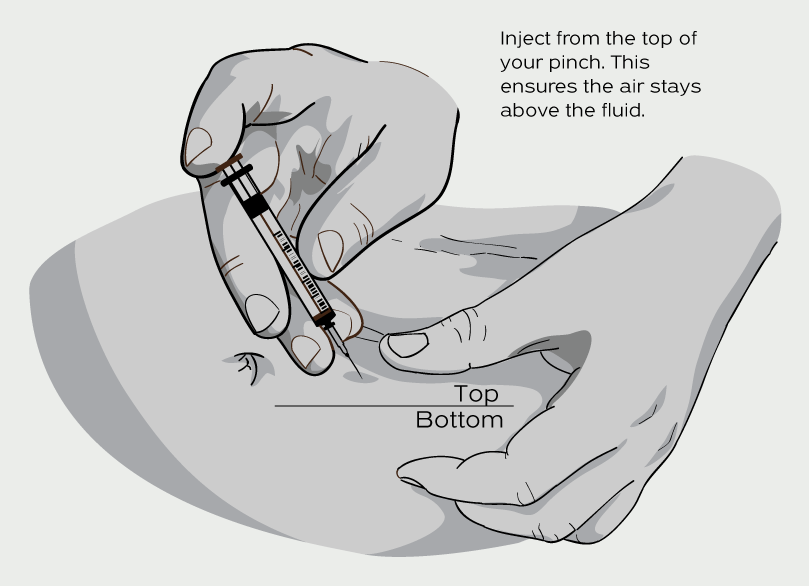
For some subcutaneous injections, healthcare providers commonly use areas with enough fatty tissue, such as:
Abdomen
The abdomen is one of the most common areas used for certain subcutaneous injections. Many healthcare professionals recommend this area because it often provides suitable fatty tissue for medication delivery.
However, you should always follow the specific instructions provided for your peptide treatment.
Thigh Area
The outer thigh is another area that healthcare professionals may recommend for some injections. This location can be easier for some people to access and manage.
Even so, correct technique matters because improper injection methods can cause discomfort or skin irritation.
Upper Arm
Some injections may also use the upper arm area. However, many people need assistance when using this location because reaching and positioning the area correctly can be difficult.
How Do Peptide Injections Work?
When you inject peptides, the product enters the body through the selected administration method. The exact process depends on the type of peptide and how it interacts with the body.
Healthcare professionals usually explain:
- Where to inject
- How to prepare the injection
- How often to use the treatment
- How to store the product
Therefore, following professional instructions helps support safer peptide use.
Why Does Peptide Injection Location Matter?
The injection location plays an important role in comfort and proper administration.
Choosing the correct site can help:
- Reduce unnecessary irritation
- Improve injection comfort
- Support consistent use
- Lower the chance of injection-related problems
Additionally, some healthcare professionals recommend rotating injection areas to prevent repeated irritation in the same spot.
How To Prepare for a Peptide Injection
If a healthcare professional recommends an injectable peptide treatment, proper preparation becomes an important step.
Follow Your Healthcare Provider’s Instructions
First, understand exactly how your treatment works. Your healthcare provider can explain the correct method, timing, and precautions.
Keep Everything Clean
Next, maintain clean handling practices. Clean equipment and proper hygiene can help reduce contamination risks.
Store Peptides Correctly
Different peptide products may have specific storage requirements. Always follow the instructions provided with your product.
Learn Proper Technique
Before injecting any product yourself, make sure you understand the correct technique. Proper training can help reduce mistakes and discomfort.
What Are the Possible Side Effects of Peptide Injections?
Like any injection, peptide injections may cause reactions at the injection site.
Common reactions may include:
- Redness
- Mild swelling
- Tenderness
- Temporary irritation
However, reactions can vary depending on the peptide, product quality, and individual health factors.
If you notice unusual symptoms, contact a healthcare professional for advice.
Can You Inject Peptides Anywhere?
No. You should not inject peptides into any random area of your body.
The correct injection site depends on:
- The specific peptide
- Product instructions
- Recommended administration method
- Professional guidance
Using incorrect injection locations or techniques may increase risks and create unnecessary complications.
Can You Inject Peptides Yourself?
Some prescribed injectable treatments allow self-administration after proper training. However, you should never begin injecting peptide products without understanding the correct process.
Before using injectable peptides, make sure you:
- Confirm the product is suitable for your needs
- Understand the instructions
- Learn proper handling methods
- Follow medical advice
This approach helps you avoid preventable mistakes.
Safety Tips Before Using Peptide Injections
Before starting peptide injections, keep these safety tips in mind:
Choose Reliable Products
Always use products from appropriate and trustworthy sources. Product quality plays an important role in safety.
Avoid Unknown Online Sources
Unverified peptide products may have unclear ingredients, poor storage conditions, or unreliable quality information.
Seek Professional Advice
A healthcare professional can explain whether a peptide treatment suits your situation and help you understand possible risks.
Frequently Asked Questions About Peptide Injection Sites
Where is the best place to inject peptides?
The best injection site depends on the specific peptide and professional instructions. Common areas for some subcutaneous injections include the abdomen, thigh, and upper arm.
Can I inject peptides without training?
No. You should learn the correct technique and receive proper guidance before using injectable peptide products.
Are peptide injections painful?
Some people experience mild discomfort, redness, or irritation. Proper technique can help reduce injection-related discomfort.
Should I change peptide injection sites?
In some cases, healthcare professionals recommend rotating injection locations to reduce irritation from repeated injections in one area.
Final Thoughts
Understanding where do you inject peptides helps you learn more about peptide treatments and safety considerations. However, the right injection site depends on the specific peptide, treatment purpose, and professional recommendations.
Always focus on safe practices, reliable products, and proper guidance before using injectable peptides. Making informed decisions helps reduce risks and supports responsible peptide use.
